Dryland land is n’t a moth-eaten death judgment of conviction for crop — it ’s an art cast .
leave the myths : It ’s not just for tumbleweeds , crack globe , and desperate Bob Hope .
crop can thrive without irrigation . But only if you know the truth behind the shit .
Think mulching is optional ? That abstruse tilling helps water surcharge in ? That beans do n’t belong in a dry airfield ? haywire , wrong , and definitely wrong .
This is farm with brain , not just brawniness — timing , craw choice , and grunge strategy make or split up your harvest .
The principle are different here . Water is rarefied . error are expensive .
But when you get it right ? You maturate sun - hardened miracles with nothing but rain and guts .
We ’re breaking down 18 expectant claim — some true , some virgin nonsense — so you may furcate scientific discipline from superstition .
Ready to grow smarter in the driest station on earth ? get ’s bust some myth wide open .
Myth: Dryland Farming is Impossible
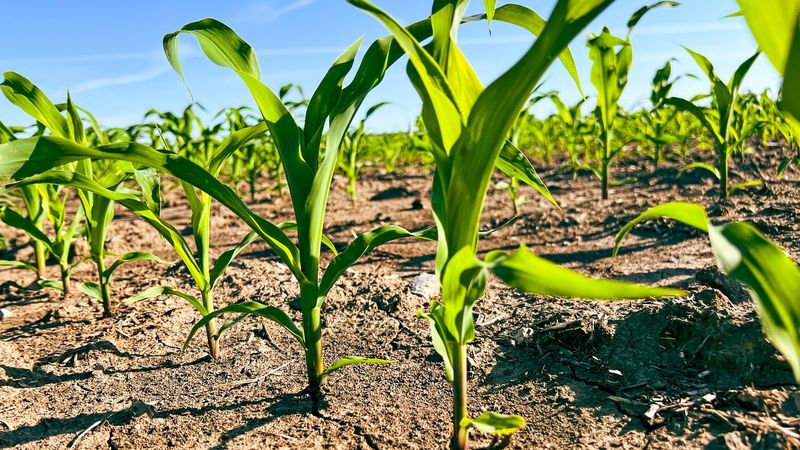
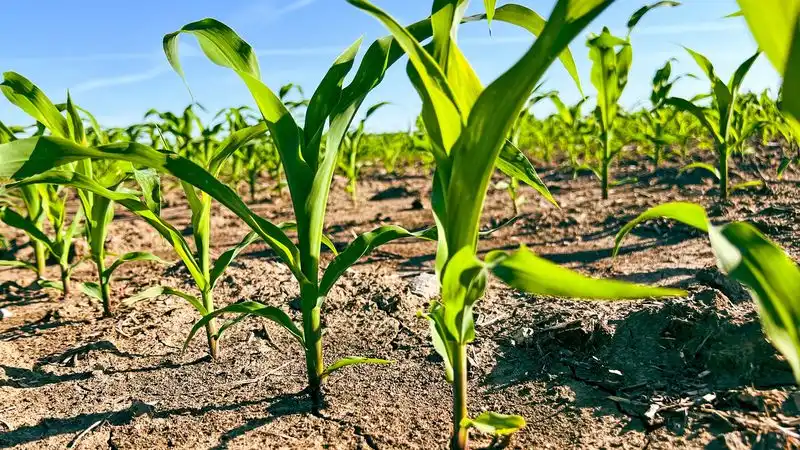
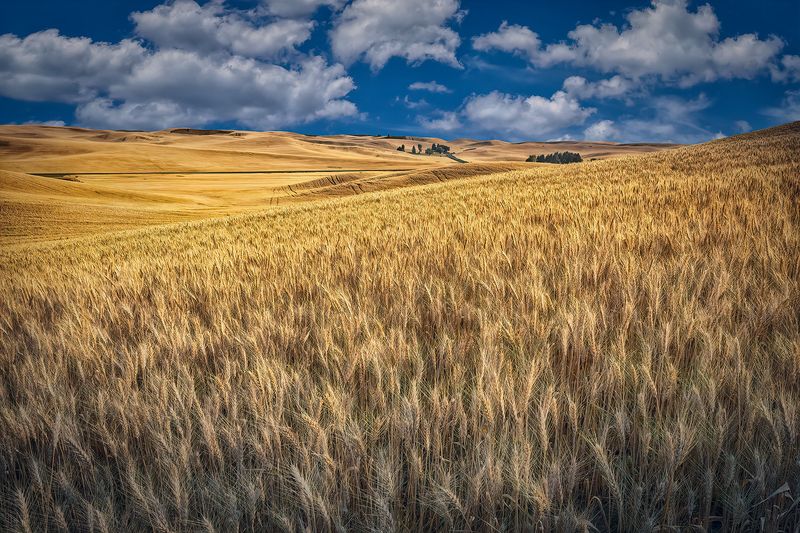
It ’s often think that dryland land is an unattainable dreaming . However , farmers worldwide have successfully cultivated crops in arid regions for century . By employing water preservation techniques and opt worthy crops , they prove that it ’s not only possible but also sustainable . neighborhood like the Great Plains in the U.S. have long practiced dryland husbandry , turning challenges into opportunities . These granger have adapted to the abrasive reality of limited pee , showcasing resiliency and ingenuity . With the correct knowledge and tools , dryland farming is indeed achievable , drive off this myth whole .
Fact: Crop Selection is Key
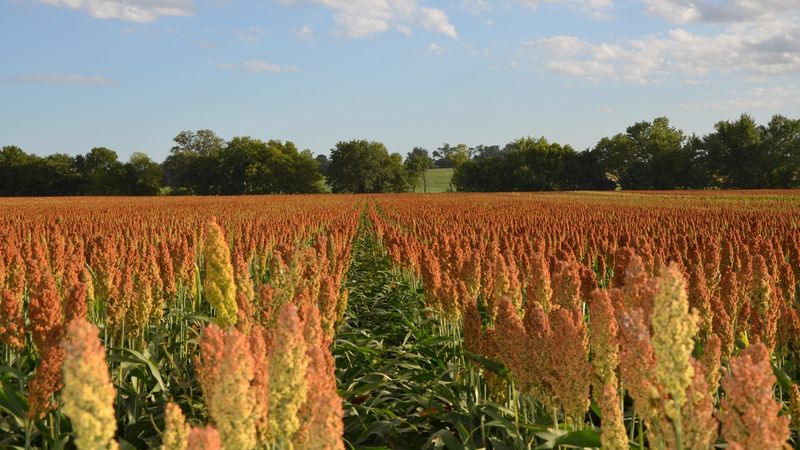
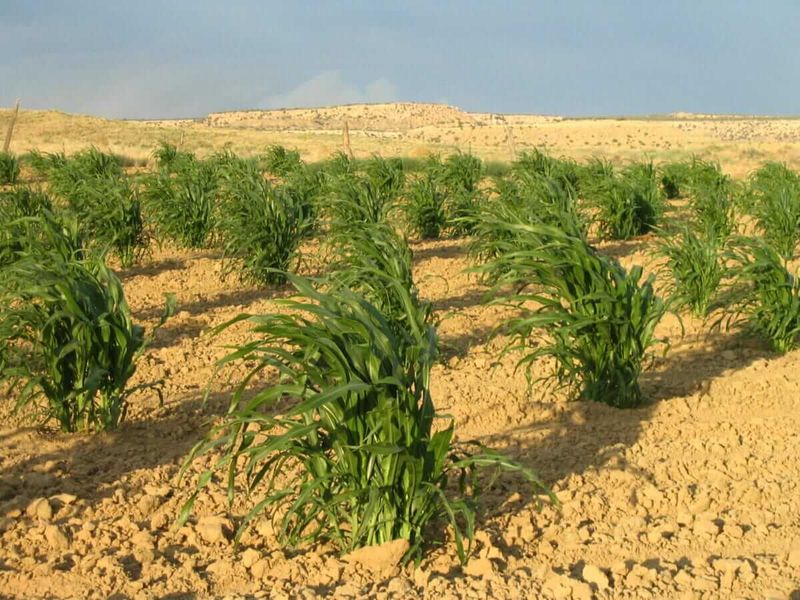
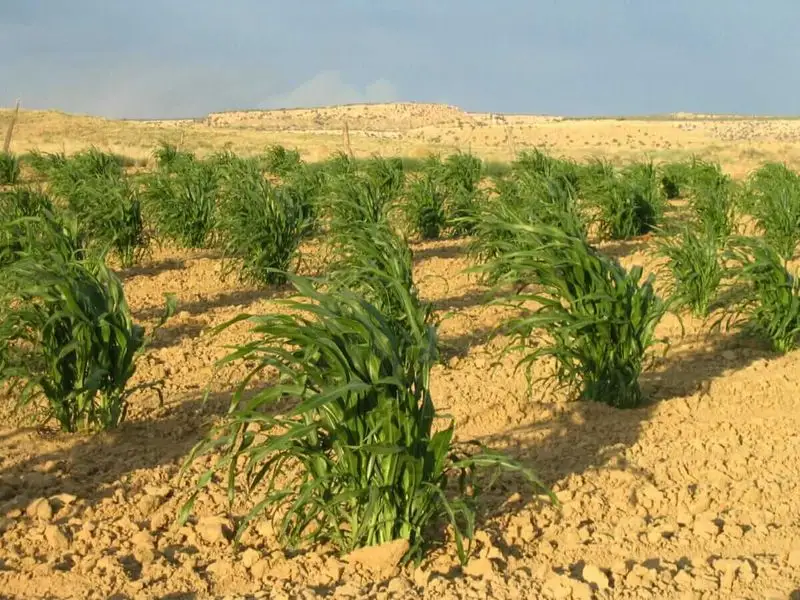
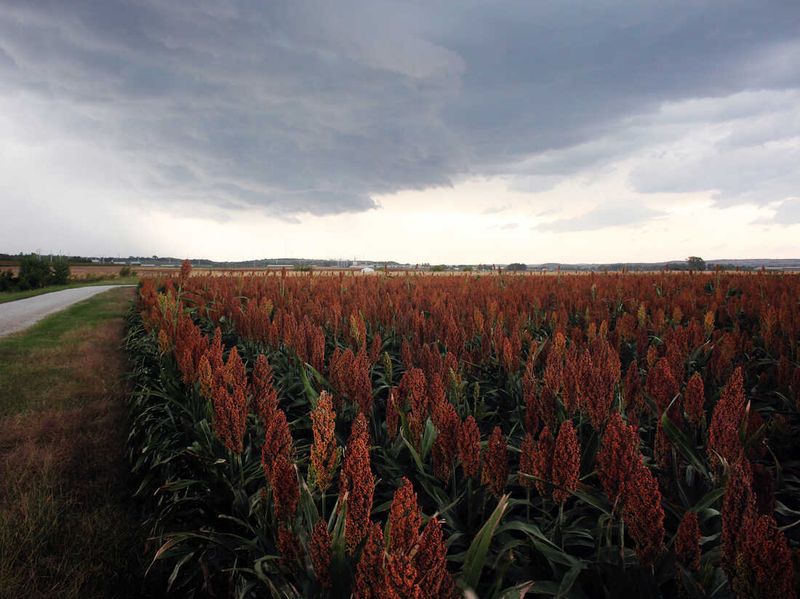
Choosing the right crop is fundamental to successful dryland farming . Drought - repellent varieties like millet , sorghum molasses , and chickpeas thrive in moisture - scarce surroundings . These crops have adjust to hold out dry conditions , guarantee a authentic harvest . Farmers often try out with different crops to find the best conniption for their specific soil and climate condition . This adaptability is crucial for the sustainability of dryland farming . By choose appropriate crops , farmer can maximize soften and minimize risk , turn out that crop option is indeed a critical ingredient in dryland husbandry succeeder .
Myth: Only Traditional Methods Work
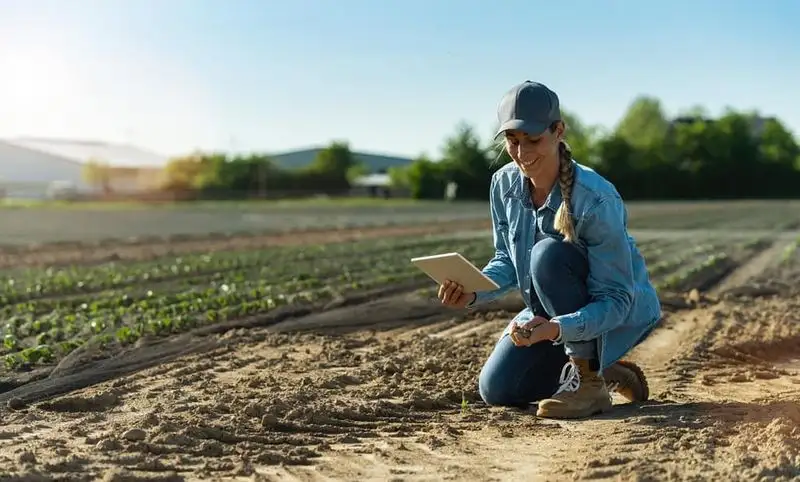
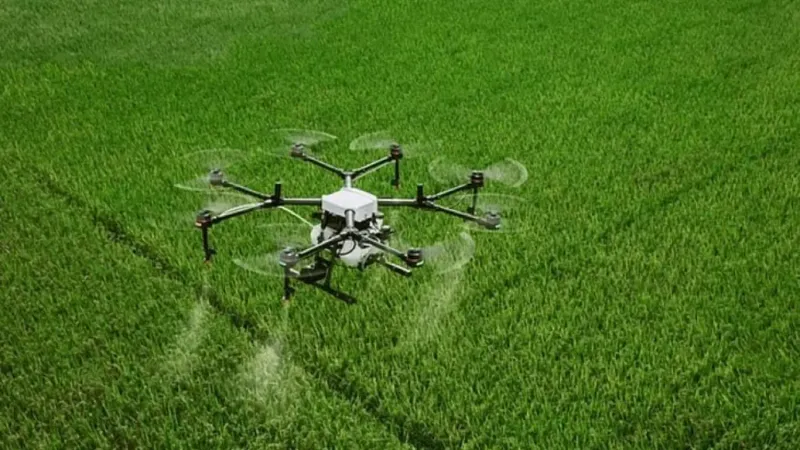
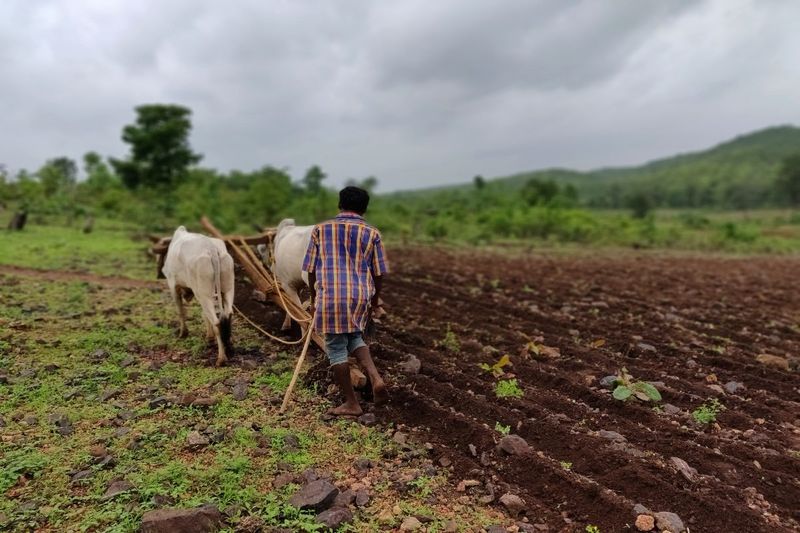
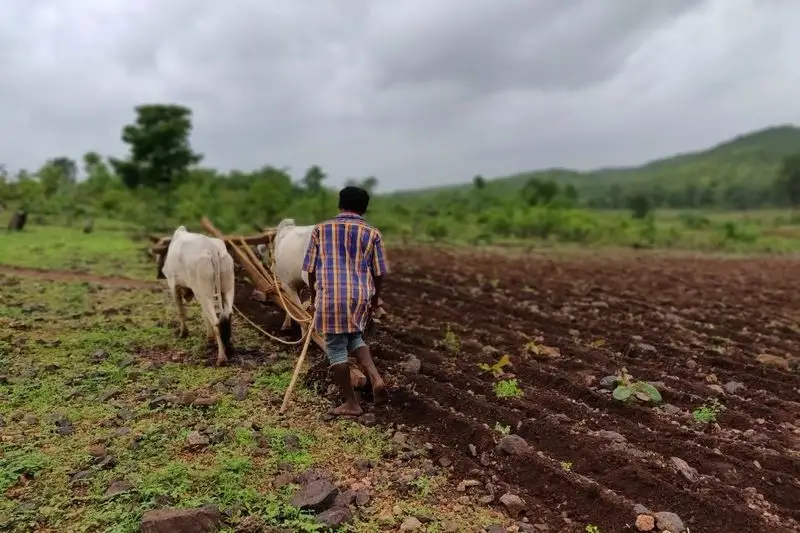
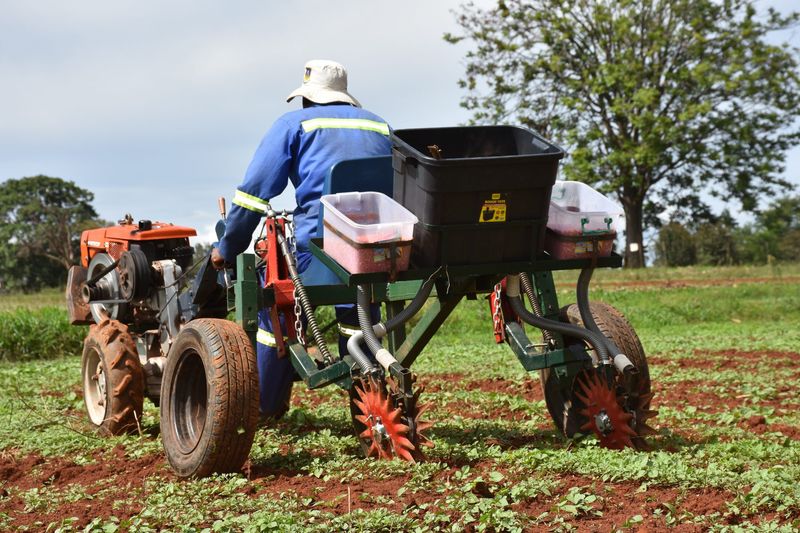
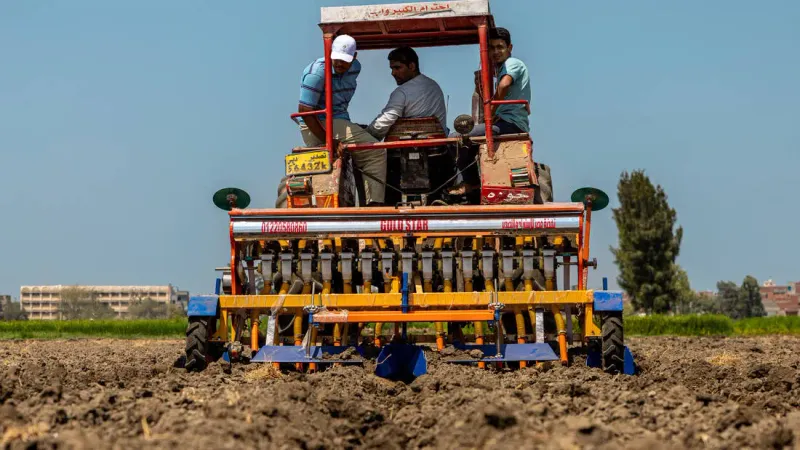
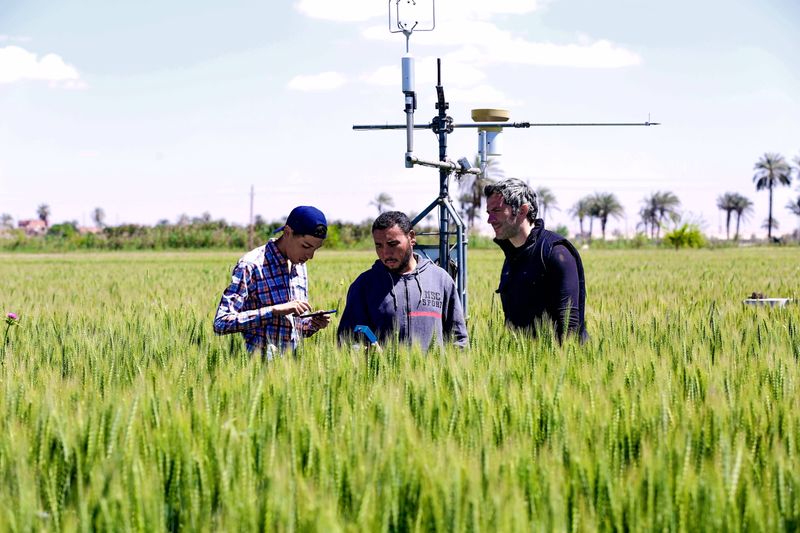
There ’s a misconception that traditional methods are the only way to follow in dryland farming . In reality , modernistic engineering plays a substantial purpose in enhancing productiveness . puppet like soil moisture sensors and laggard help farmers make informed decision , optimizing water economic consumption and crop management . These innovations complement traditional noesis , creating a balanced approaching for maximise yields . By integrate technology , farmers break away from the constraints of the past , establish that modern methods can flourish alongside traditional techniques in dryland farming .
Fact: Soil Management is Essential
Effective grease management is a cornerstone of dryland farming . Techniques like mulching , crop rotary motion , and contour plowing enhance stain moisture retention and fertility . These methods foreclose corrosion and better water percolation , crucial for harvest survival in dry condition . By maintaining goodly ground , farmers see to it sustainable productiveness . Soil management practices are unceasingly evolving , reflect the active nature of dryland land . This adaptability is primal to thriving in thought-provoking environment , underscoring the essential role of soil management in this farming recitation .
Myth: Dryland Farming is Not Profitable
wayward to popular belief , dryland farming can be a profitable venture . Diversification is often the key to economical success . By arise a smorgasbord of crops and desegregate livestock , farmers can create multiple income streams . This approaching mitigates risk associated with crop loser , assure financial stability . Many dryland farmers have demonstrated that , with strategical preparation and direction , profitability is doable . Their success stories challenge the myth that dryland farming is inherently unprofitable , instead illustrating the voltage for rewarding agricultural speculation in arid regions .
Fact: Water Conservation is Crucial
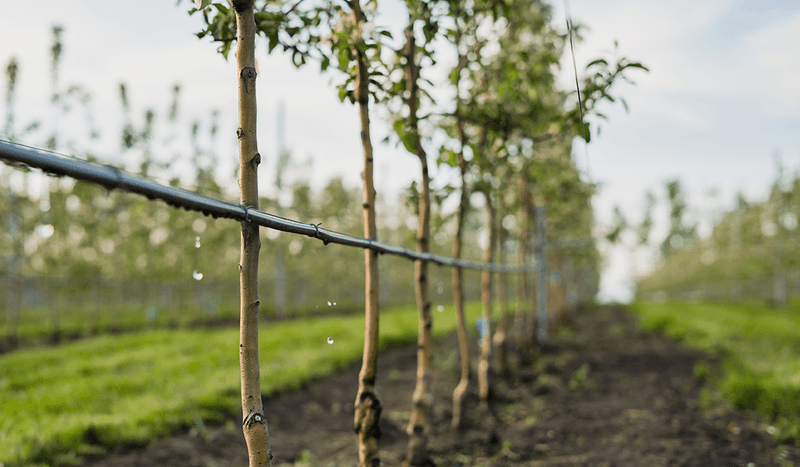
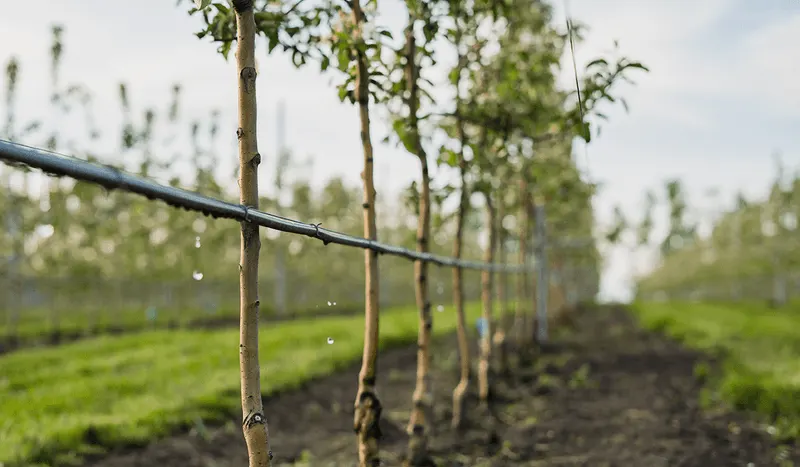
In dryland farming , conserving water is not just a strategy but a necessity . Techniques such as rainwater harvesting and drip irrigation efficiently employ special water resources , ensuring that crops receive the moisture they involve . These method help sustain productiveness even in the driest conditions . By concentre on water conservation , farmers not only preserve this precious resourcefulness but also heighten the sustainability of their mental process . This fact highlights the critical grandness of pee management in dryland farming , emphasizing its role in the success of this agrarian practice .
Myth: Dryland Farming Harms the Environment
Some conceive that dryland husbandry negatively affect the environs . In reality , it can coexist harmoniously with nature . By fostering biodiversity and using sustainable practices , dryland farms create ecosystems that substantiate both factory farm and wildlife . proficiency like reduced tillage and organic farming contribute to soil wellness and reduce greenhouse gas emissions . These recitation attest that dryland agriculture can be beneficial to the surroundings , countering the myth that it inherently do harm . alternatively , it propose a model for sustainable Department of Agriculture that respects and rear the earth .
Fact: Climate Resilience is Built-In
Dryland farming is inherently climate - resilient . The practices and crops choose are specifically adapted to withstand uttermost atmospheric condition conditions such as drought and heatwaves . This resilience is build into the farming system of rules , set aside it to thrive despite climate challenge . By employing strategies like harvest rotation and soil conservation , husbandman heighten their field ’ ability to resist adverse conditions . This fact showcases the robustness of dryland farming , shew that it ’s not only about surviving but flourish in the look of clime alteration .
Myth: Dryland Crops Lack Nutrition
There ’s a misconception that crop grow in dryland region lack nutritionary value . On the contrary , many drouth - tolerant crop are packed with food . Quinoa , lentils , and sorghum are representative of crop that proffer substantial health benefits . These crops are rich in all important vitamin , minerals , and proteins , making them valuable dietary staples . husbandman prioritize cultivating nutritious - dense crops to meet the dietetic needs of their communities , debunk the myth about inferior alimentation . The realness is that dryland crop can be as nourishing as those grown in more urine - abundant regions .
Fact: Innovation Drives Success
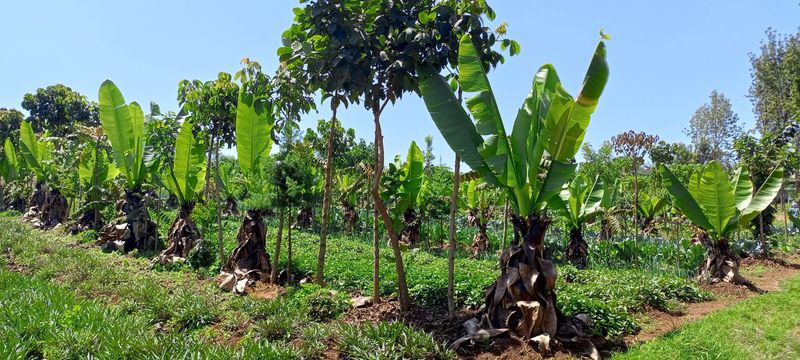
Innovation is at the heart of successful dryland farming . Farmers continuously adjust and experimentation with newfangled technique to overcome challenge . Polyculture and agroforestry are examples of innovative practices that heighten productivity and sustainability . These methods promote biodiversity and meliorate soil health , all important for thriving in arid environments . By encompass origination , dryland farmers not only increase their yields but also contribute to the resilience of their land system . This fact underscores the importance of creativeness and adjustment in reach achiever in dryland agriculture .
Myth: Only Large Farms Can Succeed
The belief that only big farm can thrive in dryland country is a common misconception . lowly - scale farm can be equally successful through biotic community - centric approach and resource - communion . category - hightail it operations often utilize creative thinking and collaboration to overcome challenges associated with limited resource . By focusing on sustainable practices and community support , little farms can attain remarkable answer . This debunk the myth that size of it determines winner in dryland farming , highlighting that decision and cleverness are cardinal broker .
Fact: Government Support Enhances Viability
Government support plays a vital role in the viability of dryland husbandry . Policies and programs aimed at provide subsidies , pedagogy , and resources help granger negociate risks and meliorate productiveness . By fostering an environment that further sustainable exercise , governance enhance the resilience of dryland farming community of interests . This collaboration between farmers and policymakers is crucial for addressing the alone challenge of dryland agriculture . The fact spotlight the grandness of governmental involvement in promoting the success and sustainability of dryland farming .
Myth: Dryland Farming is a New Trend
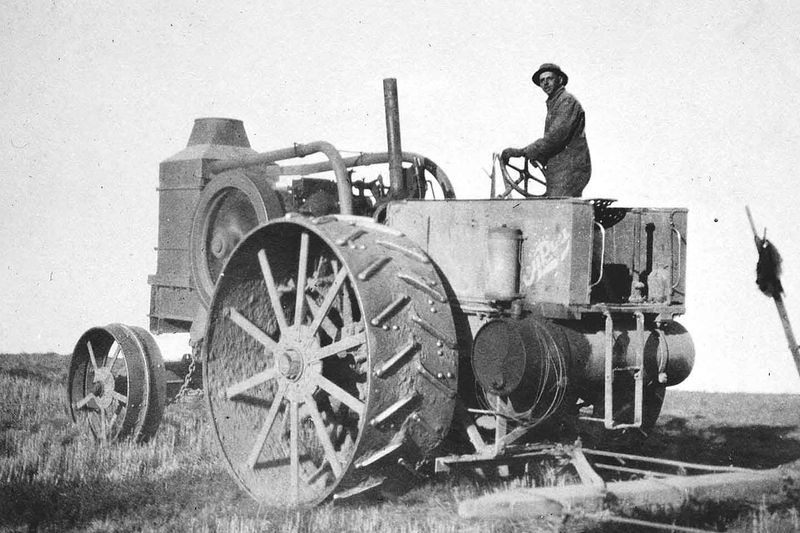
Some might think that dryland husbandry is a innovative vogue , but its origins trace back thousands of yr . Ancient civilization practice dryland farming , adapting technique suit for arid region . These time - tested methods have evolved but remain basically the same . The continuity of dryland farming practices showcases their enduring relevancy and effectiveness . translate its rich history helps drive out the myth that dryland agriculture is but a contemporary founding . Instead , it assure a story of agricultural resiliency and adaptation through the eld .
Fact: Community Collaboration is Vital
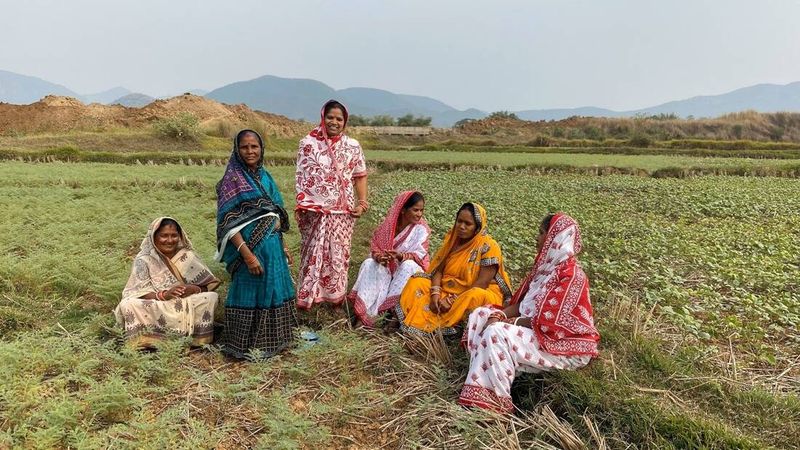
In dryland husbandry , residential area coaction is often the key to overcoming challenge . By apportion resources , cognition , and labor , farmers can collectively address event like pee scarcity and pest management . This concerted spirit fosters institution and resiliency , insure the sustainability of their farming practices . Community collaboration also strengthens social bail bond , create a supportive connection that heighten overall well - being . This fact foreground the importance of act upon together to flourish in the demand environment of dryland agriculture .
Myth: Dryland Farming is Only for Arid Regions
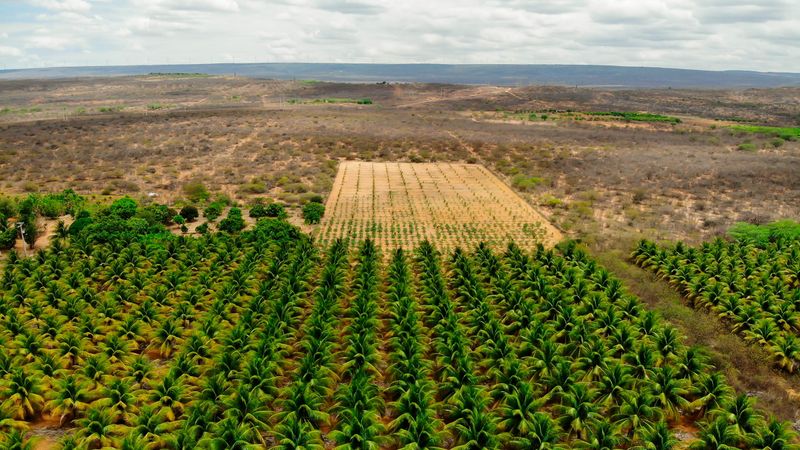
The perception that dryland farming is sole to arid realm is shoddy . It can be practiced in semi - arid area , where piss preservation and sustainable technique are as applicable . sodbuster in various climate have adapted dryland methods to suit their local condition , prove its versatility . This adaptability makes dryland farming an attractive option for regions facing water challenges , regardless of their aridity story . By embracing this myth - busting reality , more farmers can research dryland agriculture ’s benefits , extend its reach beyond the traditionally arid zone .
Fact: Education and Training are Crucial
educational activity and training are fundamental to the succeeder of dryland land . workshop , courses , and on - field grooming equip farmer with the knowledge ask to implement effectual pattern . uninterrupted eruditeness helps them stay updated with the latest innovations and proficiency , fostering an adaptive outlook . This accent on education ensures that James Leonard Farmer are prepared to tackle the unique challenge of dryland agriculture . By prioritizing education , the dryland husbandry community builds a foundation for sustainable growing and winner .
Myth: Dryland Farming Cannot Support Livestock
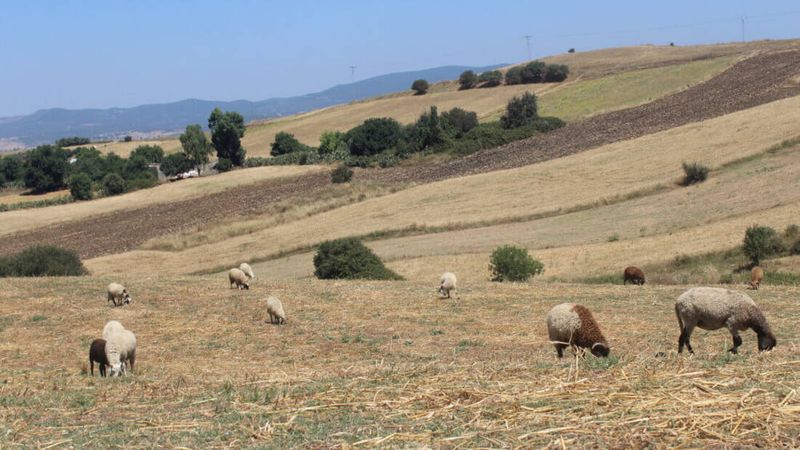
There ’s a myth that dryland farming can not support livestock , but integrated systems prove otherwise . By combining crop production with livestock direction , Fannie Farmer create a balanced ecosystem that benefits both . stock can graze on crop residues , raise ground fertility through innate manure . This symbiotic relationship maximizes resource use and boosts farm productiveness . The coexistence of crops and livestock drive out the myth , showcasing a proportionate approach that supports diverse agricultural practices in dryland preferences .
Fact: Monitoring and Adaptation Ensure Longevity
Monitoring and adaptation are primal to the length of service of dryland farming . By regularly assessing field condition and using datum - driven insights , sodbuster can adapt their strategies to meet evolving challenge . This proactive attack ensures that they persist bouncy in the case of environmental changes . By embracing flexibility and invention , dryland farmers enhance the sustainability and productivity of their operations . This fact underscore the importance of being adaptable and open-eyed in maintaining a successful dryland farming praxis .


© MorningChores
© Farm Progress
© Tractor – CMV360
© Garden Style San Antonio
© The Dispatch
© DGB Group
© Modern Farmer
© Earth Island Institute
© NPR
© International Tree Foundation
© CIMMYT
© CGIAR
© Berthoud Weekly Surveyor
© CGIAR
© Inside Climate News

© AICCRA – CGIAR
© CGIAR
© ICARDA
