Your garden is n’t safe — nature ’s tricksters are on the loose !
Those tempting Berry are n’t always a banquet . They ’re botanical trick , swing seeds in front of Bronx cheer like candy . One snack , and your feathery friend become unwitting delivery new wave .
Meet 14 plant con artists that fool birds into spreading their offspring . Some flaunt vivid yield that packs a toxic biff . Others expose faux berries — no sustenance , just seeds primed for escape . American robin , thrushes , and waxwings come for the artifice every time .
Picture glossy red-faced pods that turn seedlings into silent invaders . guess purple clusters that fulfil no craving but scatter far - flung offspring . These sneaky species hijack bird instincts to colonise your border .
fortify yourself with the know - how to fleck the fakes . Grasp which fruits are true treat and which are seed - smuggling stunts . Stop the surreptitious invasion before it sprouts . Your home ground , your rules — no botanic hocus-pocus allowed .
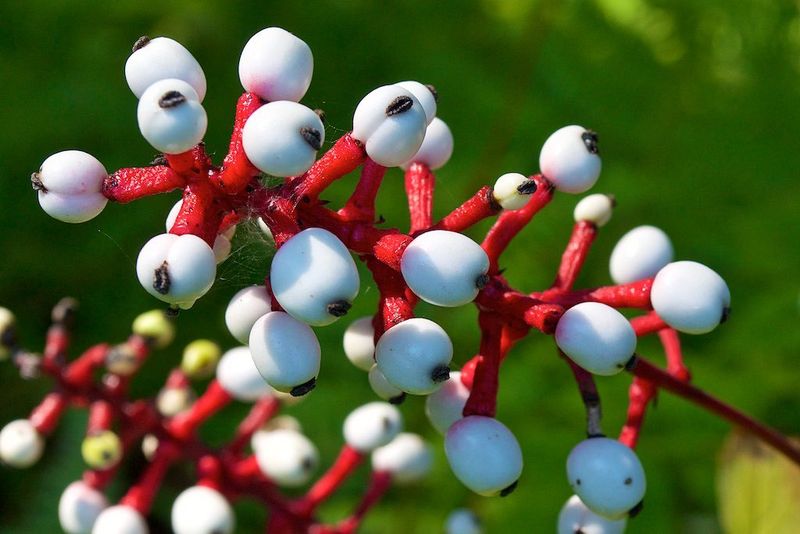
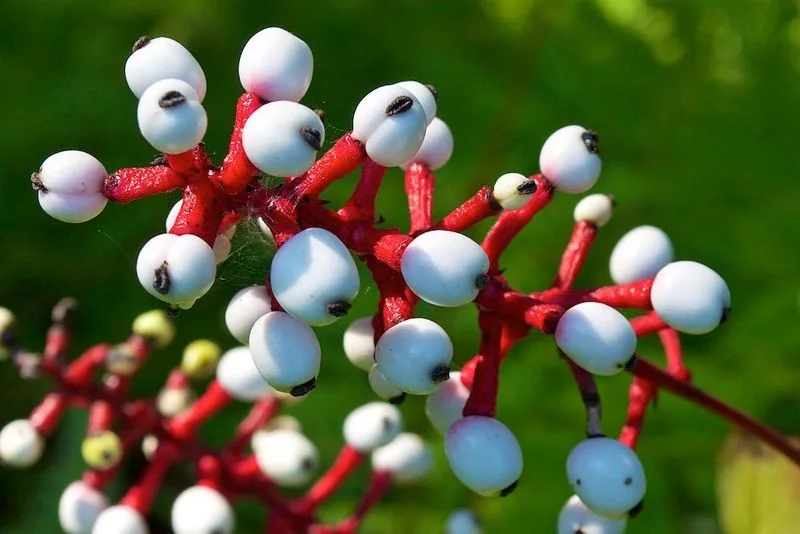
White Baneberry
White Baneberry , often refer to as “ Doll ’s Eyes , ” charm with its eerie white berries . These berries , with small black dots , resemble oculus and tempt snort with their striking coming into court . However , they are exceedingly toxic , ensuring no animal consumes them double . In the dense timberland undergrowth , these berries stand out , overhear the optic of unsuspecting avian passersby . This plant ’s toxic nature ensure that its seeds are propagate efficaciously , as wench quickly ascertain to obviate ingest them , dropping them along their travel . This evolutionary strategy highlight nature ’s blend of allure and danger .
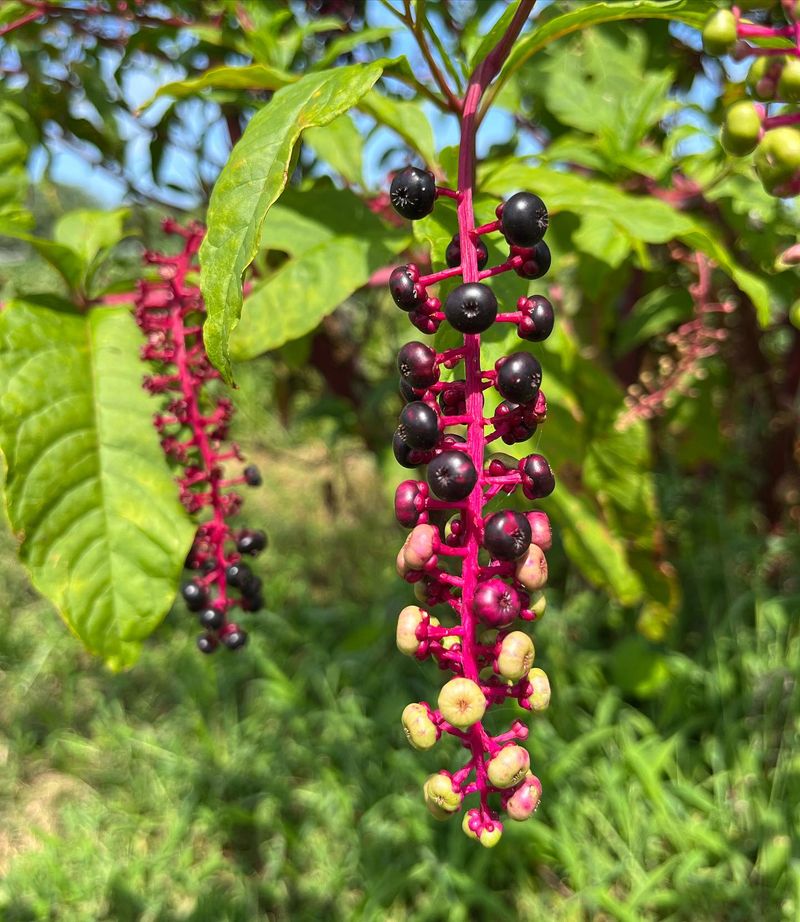
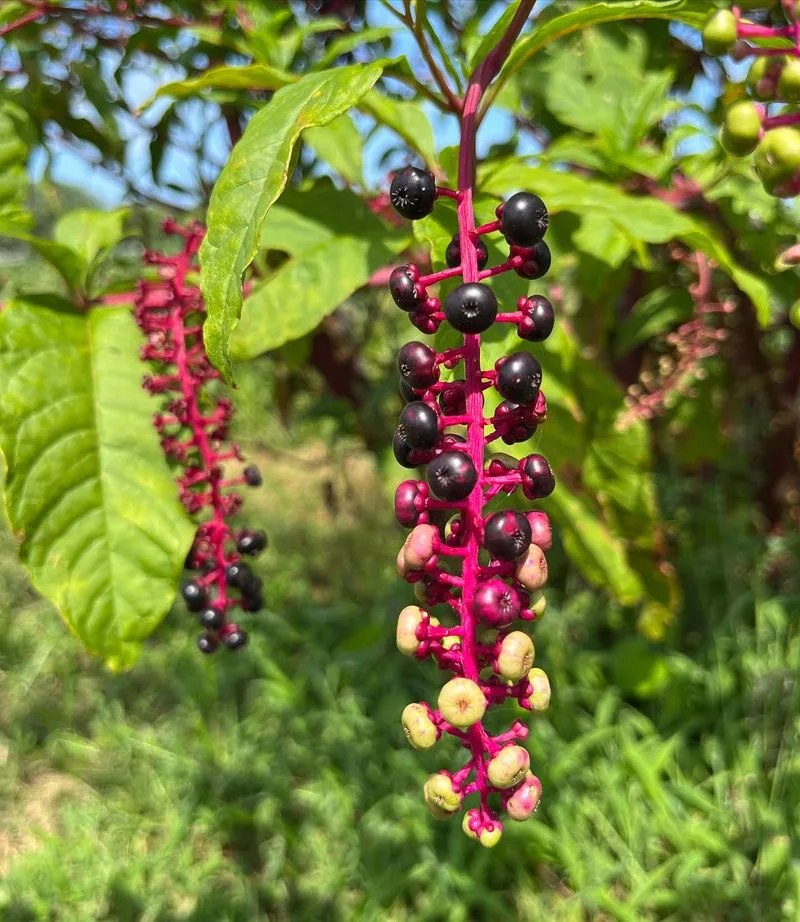
Pokeweed
With its vibrant purple berries , Pokeweed is an enticing comportment in many gardens . Birds find these berries resistless , though they are mildly toxic . This ensures that while birds feed them , they do n’t consume too many . As the birds ingest and subsequently expel the seed , the plant reach its goal of seed dispersal . The berry ’ toxicity is a canny industrial plant adaptation , come upon a balance wheel between attractiveness and aversion . Such adaptations are a will to the intricate terpsichore of survival in nature , where smasher often masks concealed risk .
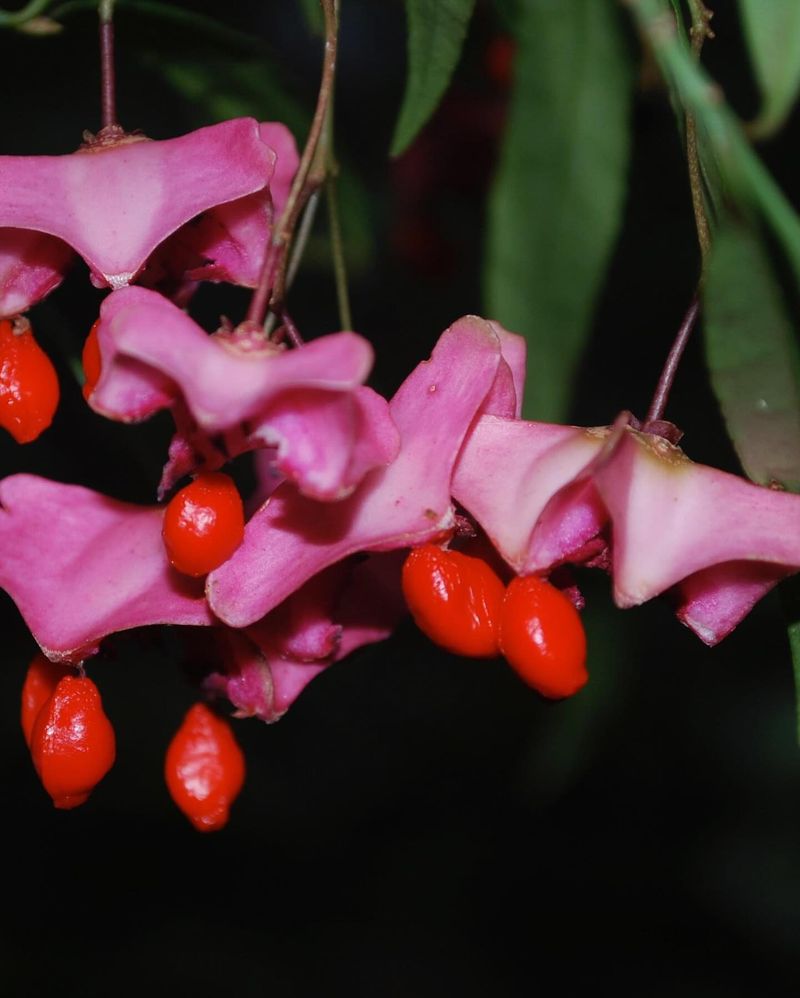
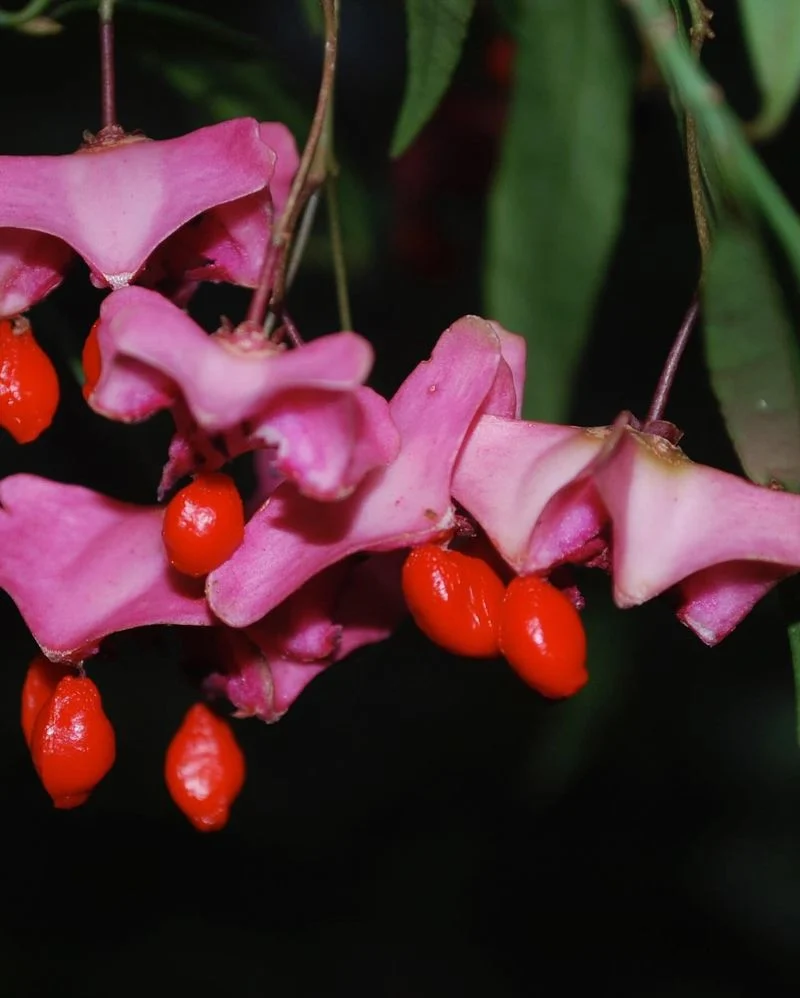
European Spindle
European Spindle dazzles with its vivid pink and orangish yield , attracting birds from afar . These fruits , though beautiful , contain seeds surrounded by a toxic app . snort , draw by the fruit ’s striking colours , help in pass around the seeds by consuming the yield and expel the semen elsewhere . This tactics ensure wide diffusion while minimizing excessive predation . The European Spindle ’s use of color and perniciousness is a fascinating example of plant foxiness , drawing in creatures to spread its lineage while protect its future tense .
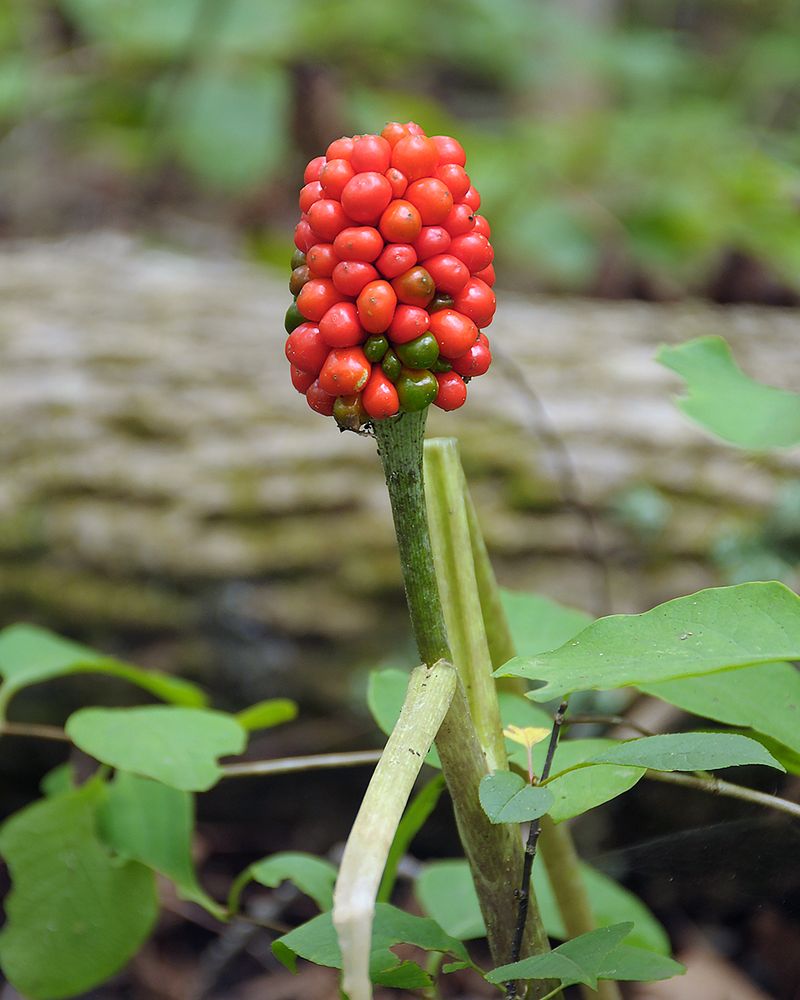
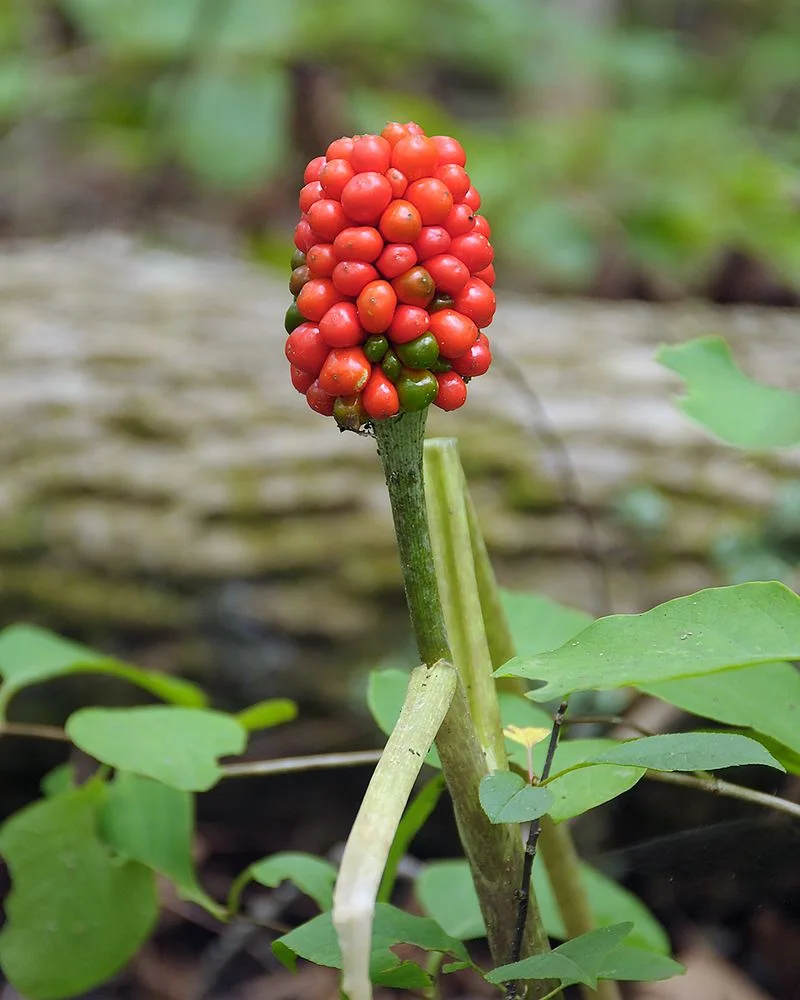
Jack-in-the-Pulpit
Jack - in - the - Pulpit is a woodland marvel known for its red berries and hooded flowers . The Berry , while enticing , are toxic to mammal , but birds seem insensible . This disparity allows hiss to assist break up its seeds without meet ominous consequence . nestle in shadowy forest floor , the plant ’s unequalled social organization adds to its allure . By employ toxicity selectively , Jack - in - the - Pulpit ensures its seed are disseminate while warding off potential threats . This selective perniciousness is a glorious strategy in Earth ’s ecological theater of operations .
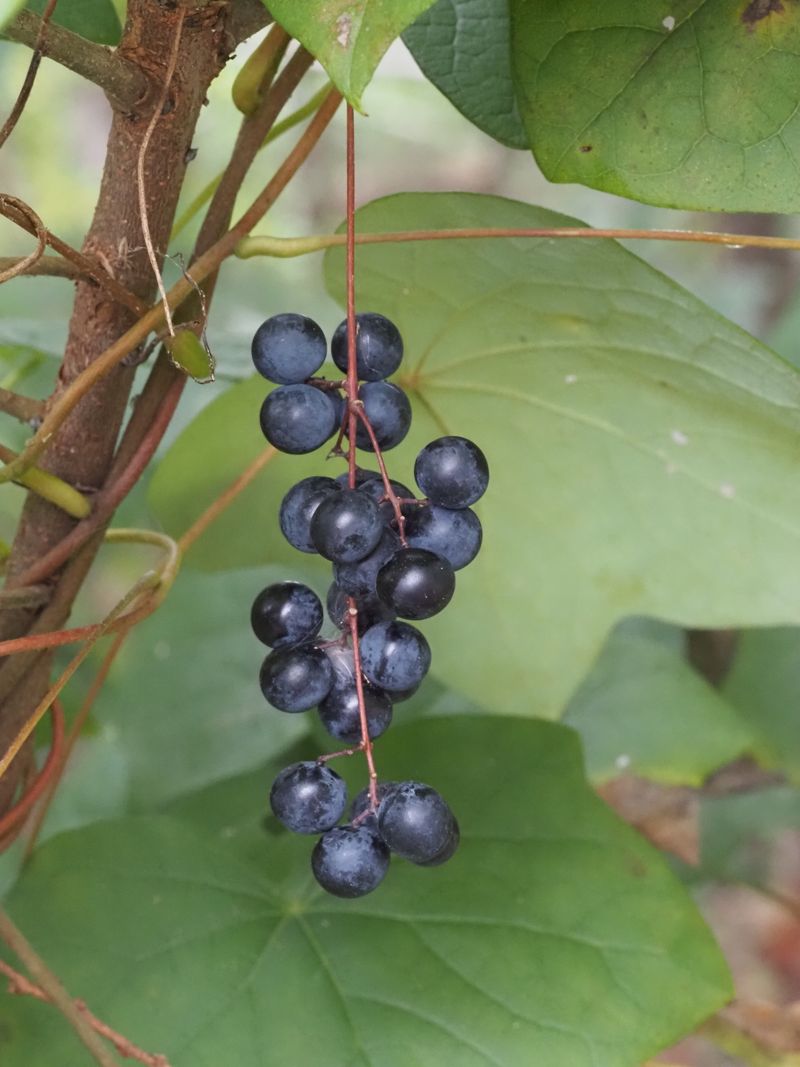
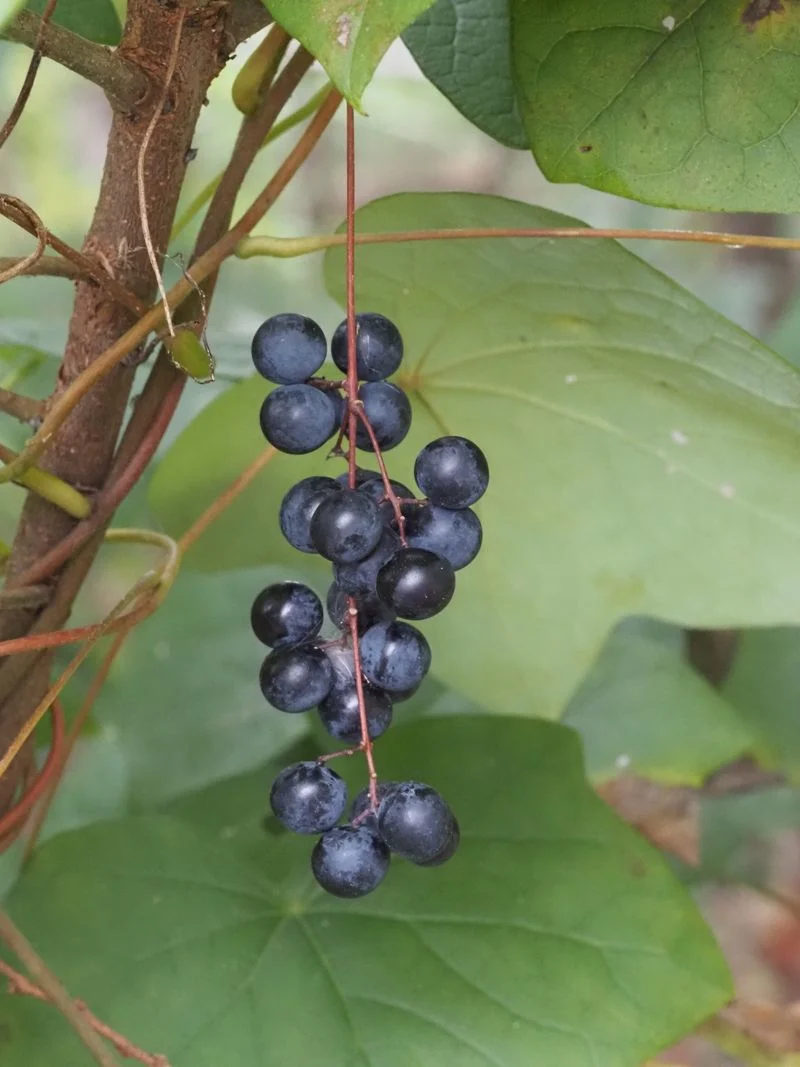
Moonseed
Moonseed vine is often mistaken for grapes due to its clump of dark berries . skirt are drawn to their resemblance , yet these berries are extremely toxic . Birds , tempt by their appearance , inadvertently tending in dispersal without exhaust too many , learn promptly to fend off them . The vine ’s resemblance to more palatable fruits is key to its succeeder . This mimicry showcases nature ’s strategic adaptations , where visual aspect serve as both a snare and a cock for survival .
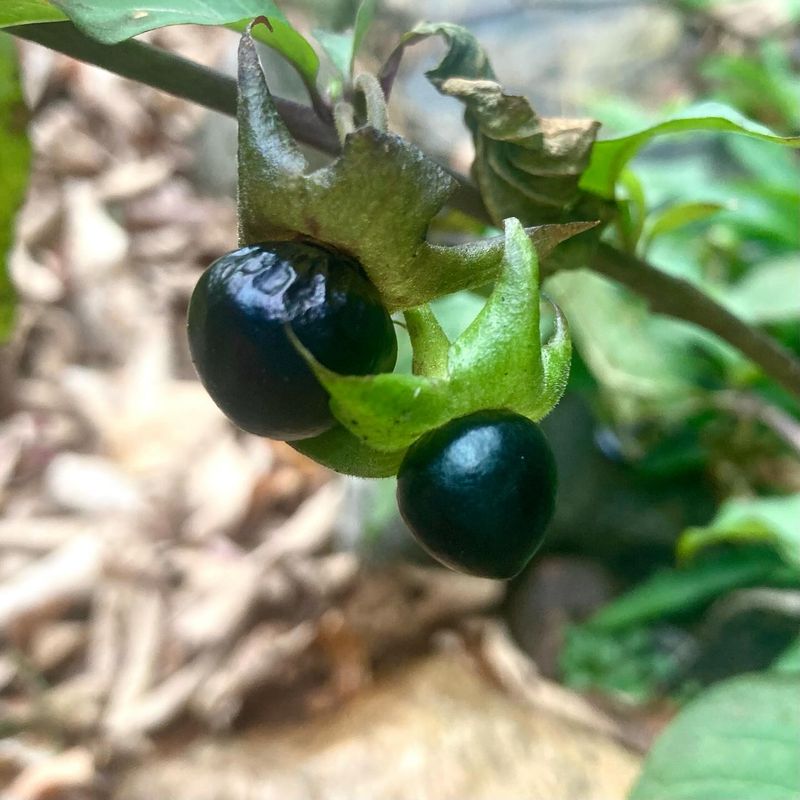
Deadly Nightshade
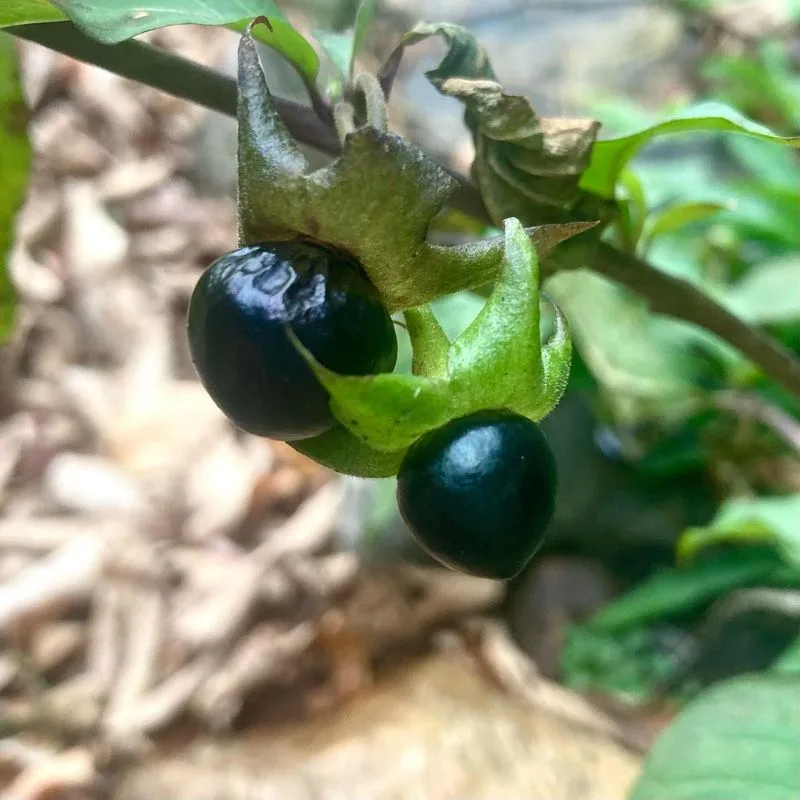
Deadly Nightshade , or Belladonna , is famed for its glossy black berry and toxic reputation . Birds , however , retrieve the berries toothsome despite their perniciousness to human beings . This permit birds to spread the seeds far and wide-eyed , unscathed by the plant ’s otherwise lethal element . The plant ’s graceful purple flowers add to its deceptive beauty . By targeting a specific disperser , Deadly Nightshade assure its survival through calculated risk , a dance of danger and temptingness embodied in flora .
Mistletoe
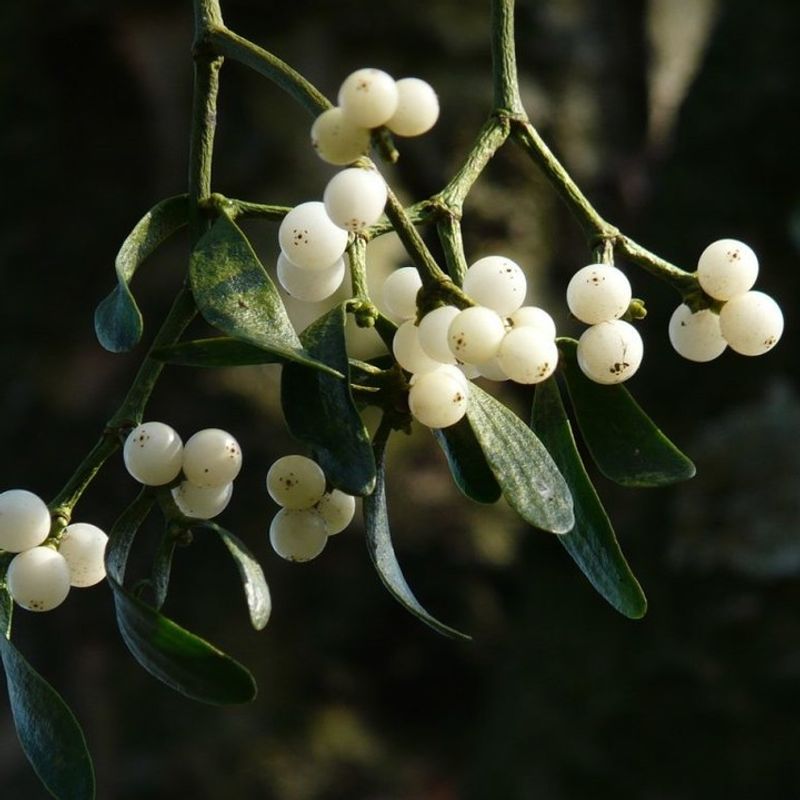
Mistletoe , associated with festal tradition , use bird to unfold its steamy seeds . Its white berry , though gently toxic , draw hiss who aid in seed dissemination through their droppings . These semen stick to branches , allowing new increase to parasitize host trees , a unique propagation method acting . The plant ’s dual nature as a festive symbol and ecologic leech fascinates . By leveraging perniciousness and stickiness , Mistletoe secures its place in both the natural human beings and human culture , a will to its complex role in ecosystem .
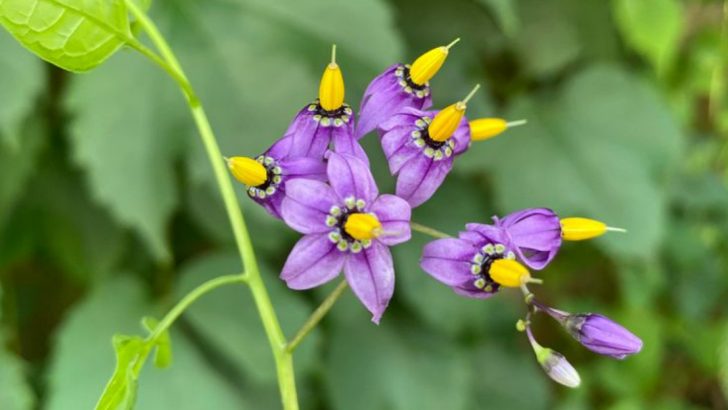
Bittersweet Nightshade
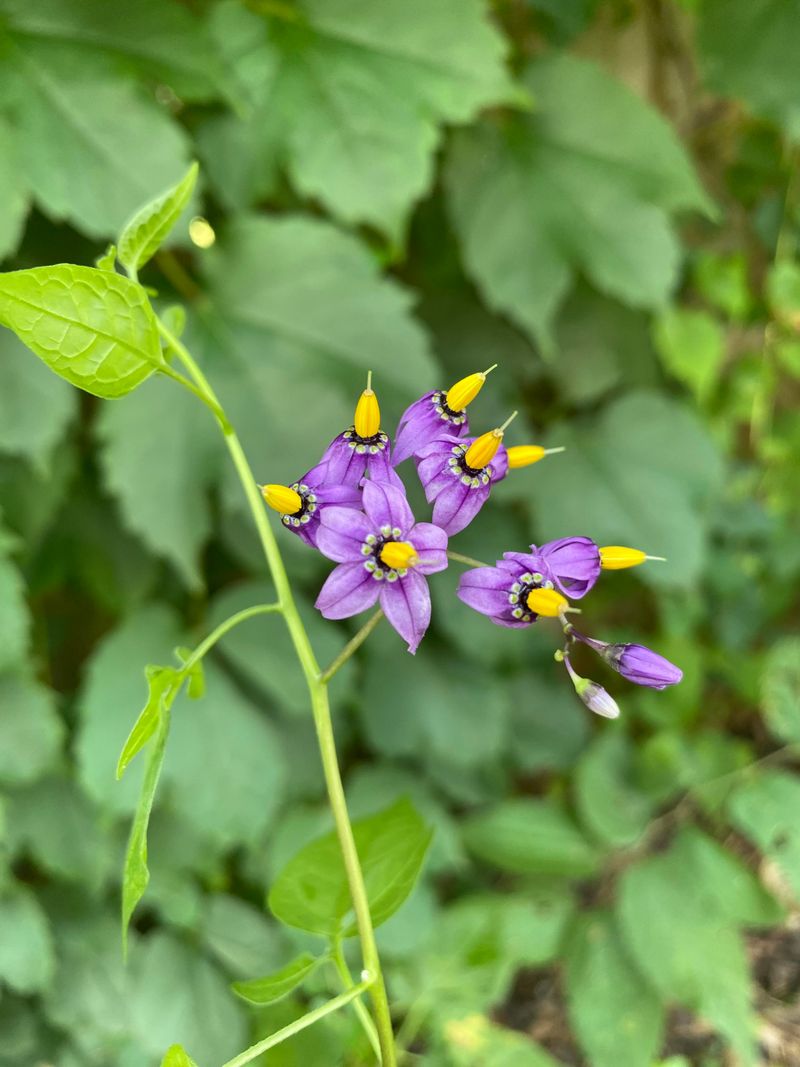
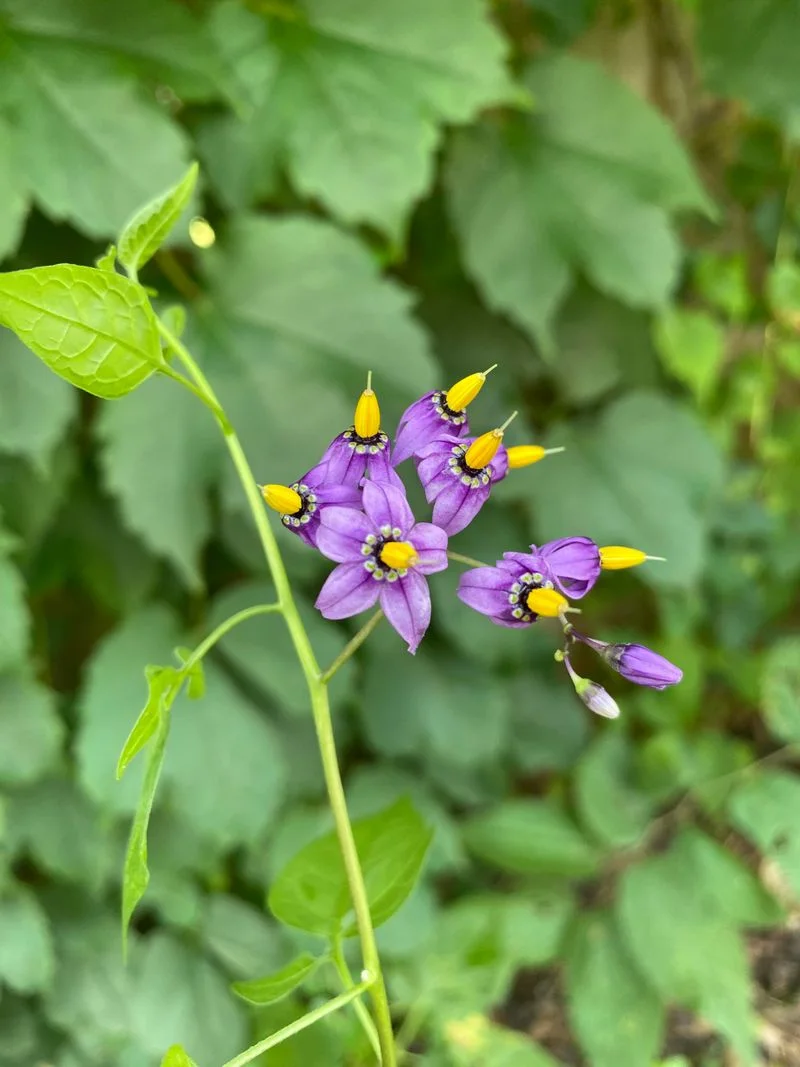
Bittersweet Nightshade , with its jewel - like carmine berry , draw bird despite its toxicity . The berries , less harmful to birds , enable seed diffusion through avian carriers . This works thrives in various environment , using its striking visual aspect to lure birds . Its purple flowers add to its visual appeal , masking the peril within . The interaction between beauty and perniciousness in Bittersweet Nightshade illustrates the complex strategy plants employ to ensure survival and proliferation across diverse landscape .
Holly
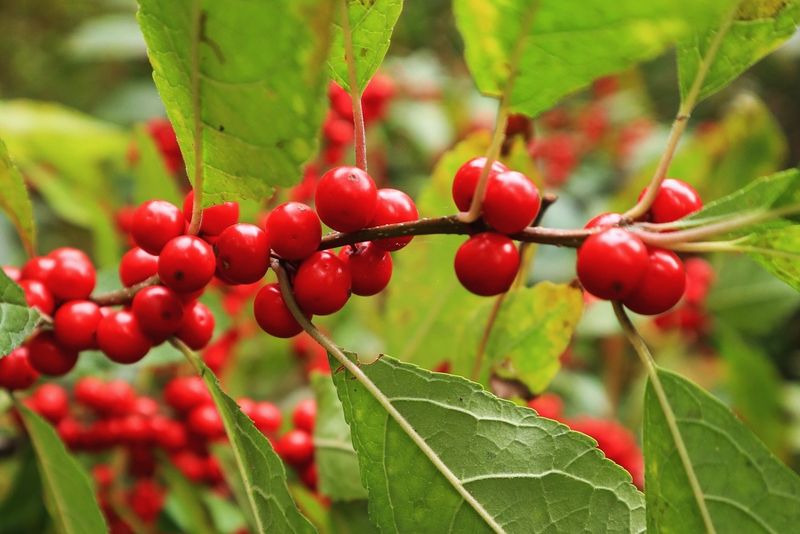
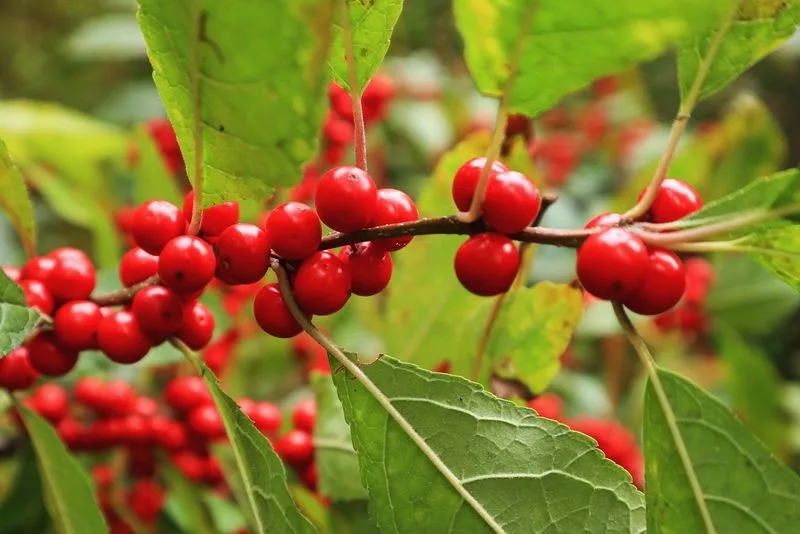
Holly , with its iconic crimson berry and spiky leaves , is a winter staple . Birds are force to its berries , which are mildly toxic and limit consumption , aiding ejaculate spreading . Its evergreen nature and knifelike leaves protect the plant while providing wintertime sustenance for birds . This relationship ensures its seeds are scattered effectively . Holly ’s combination of allure and deterrence exemplifies nature ’s equipoise between attraction and protection , make it a beloved yet conservative addition to winter scenery .
Ivy
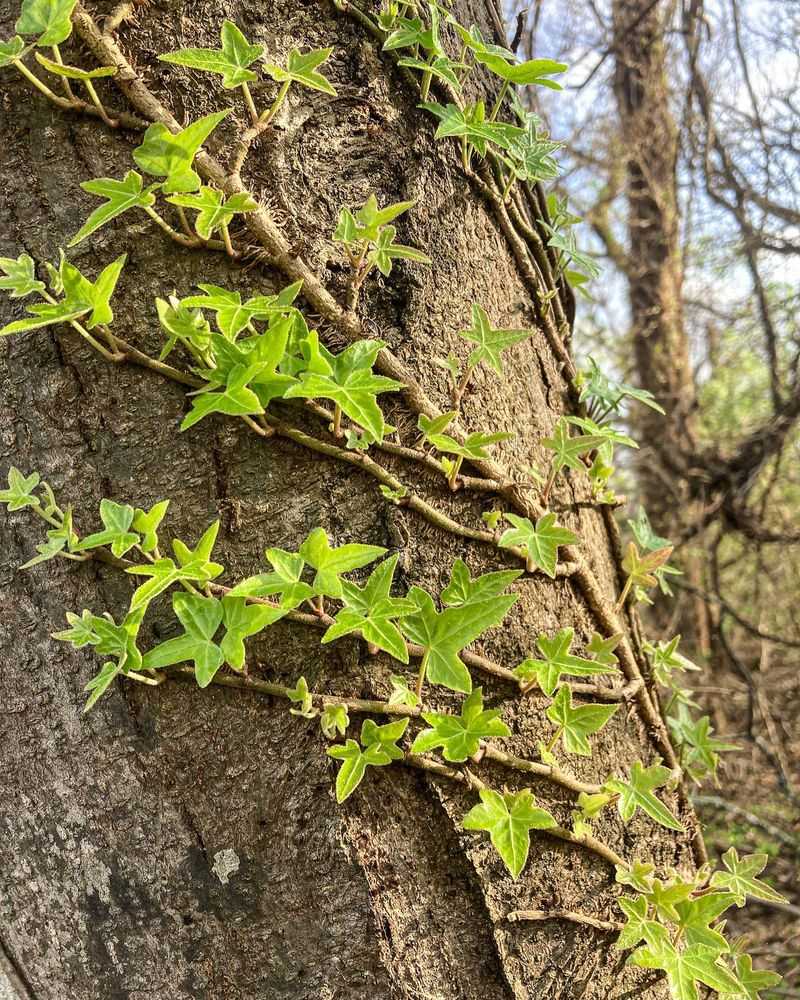
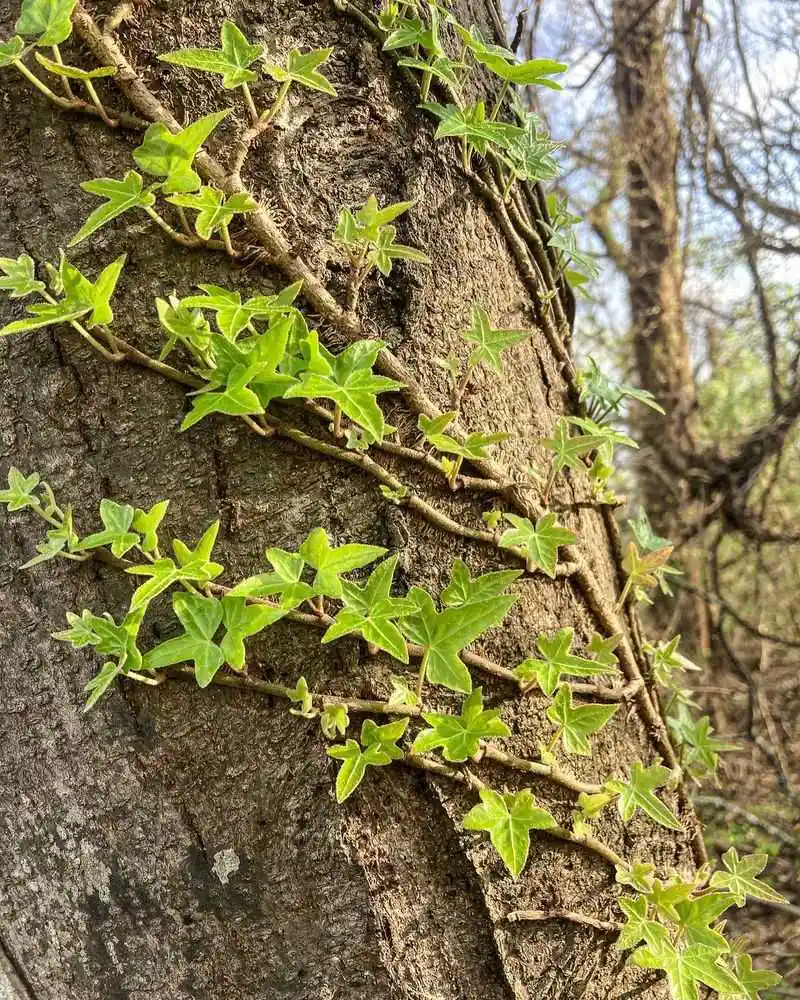
Ivy , known for its climb nature , produces dark berries that are mildly toxic . hoot consume these berries , help seed distribute through urban landscapes . This industrial plant ’s adaptability to urban center environments and its evergreen appeal make it a dearie for both wench and humans . Its berry serve a dual purpose : sustenance for birds and seed dispersion . Ivy ’s urban presence showcases how plant employ perniciousness subtly , ensuring their proliferation amidst concrete and chaos , crafting green haven in bustling city .
Virginia Creeper
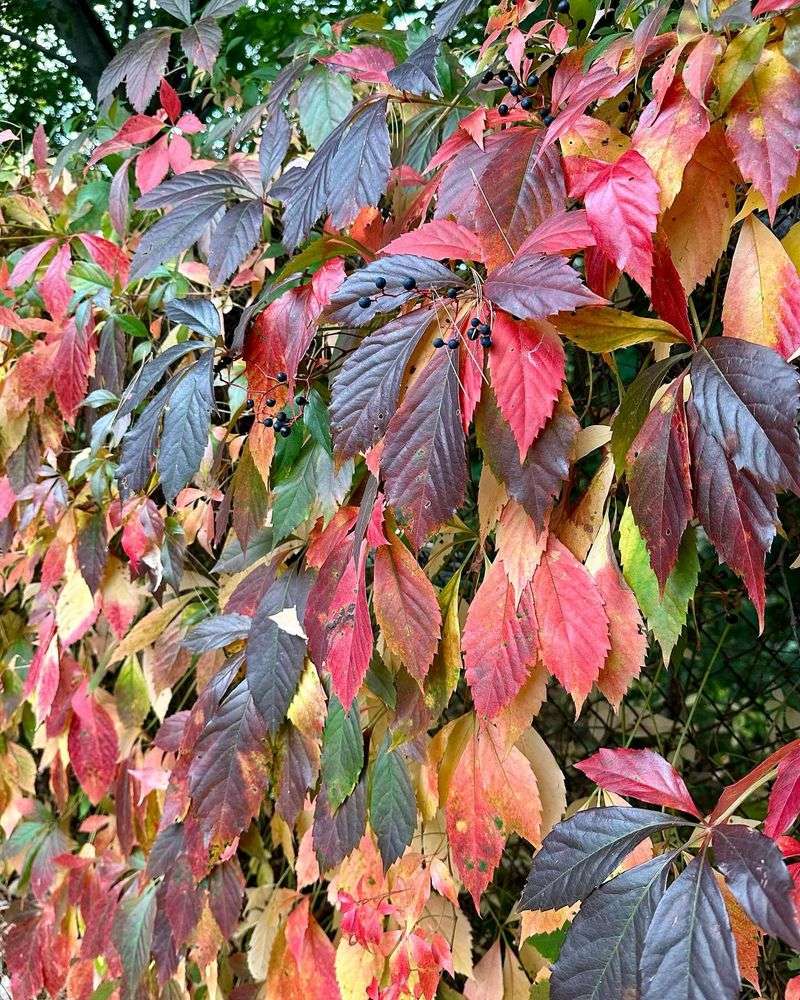
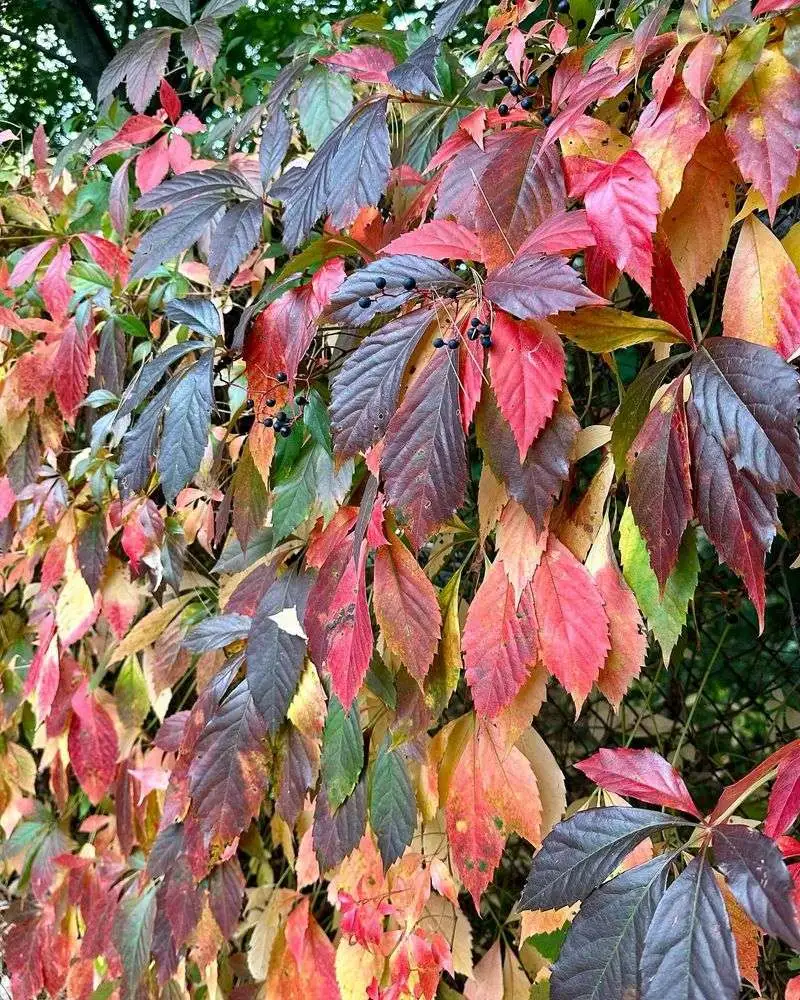
Virginia Creeper embellish gardens with vibrant red leaves and bluish - blackened Charles Edward Berry , attract birdie . Though the berry are toxic to humans , birds relish them , help ejaculate distribution . Its striking autumn foliage and climb habit make it a garden favorite , offer both sweetheart and office . This flora ’s duple nature ensures its seeds scatter far and all-embracing . The Virginia Creeper ’s allurement lies in its seasonal beauty and ecological role , a symmetrical blending of aesthetics and endurance strategy .
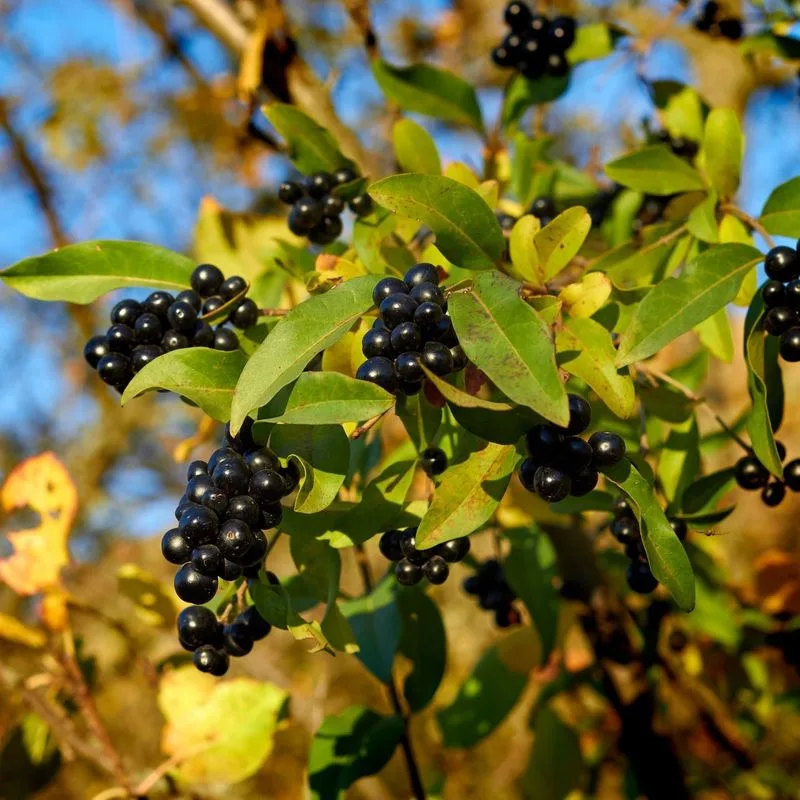
Privet
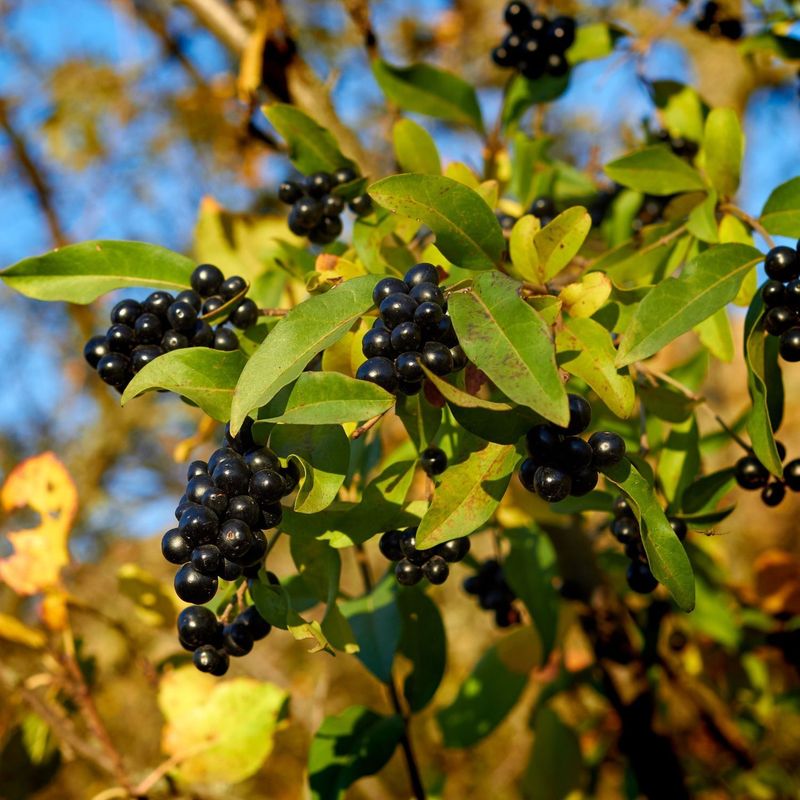
Privet , often find in suburban gardens , features small dark berries that appeal to birds . These Berry are toxic to humans but attend as food for bird , facilitating seed dispersal . The industrial plant ’s use as a hedge highlights its adaptability and esthetic value in manicured landscapes . Its Berry ensure a steady relationship with avian specie . Privet ’s twofold role as a garden staple and wildlife bird feeder underscores the subtle interplay between human culture and natural multiplication , a testament to its versatile charm .
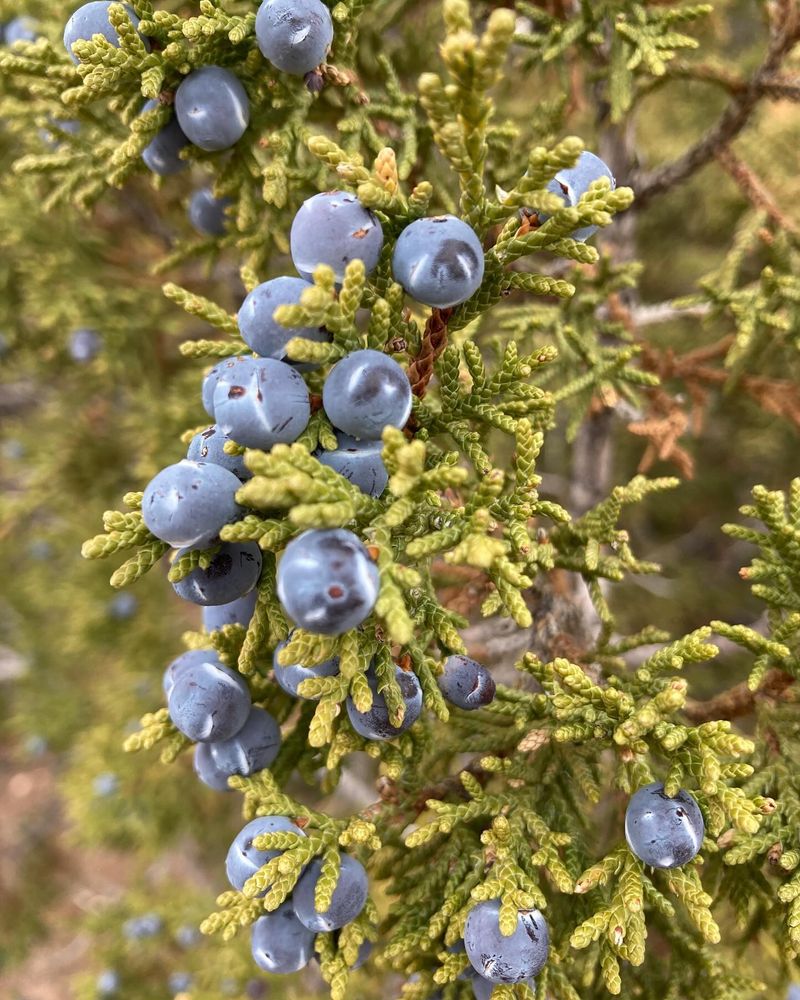
Juniper
Juniper , with its aromatic blue berries , tempts birds who aid in seed dispersion . Though gently toxic , the Berry are consumed by many bird species , spreading source across various terrain . This evergreen plant ’s presence in mountainous regions and its consumption in culinary arts bestow to its intrigue . Its berries serve as both a flavor enhancer and a ejaculate disperser . Juniper ’s ability to thrive in varied environs while maintaining its appeal ensures its place in both natural and cultural landscapes , a truthful spate survivor .
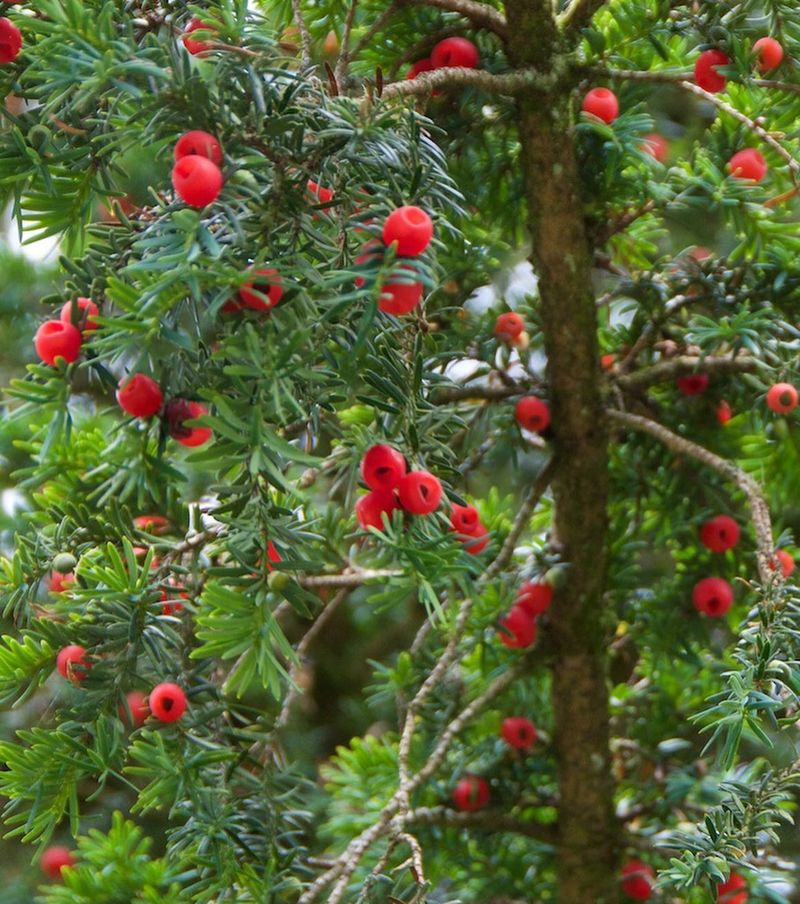
Yew
Yew Sir Herbert Beerbohm Tree , shrouded in secret , produces burnished violent berries that are toxic to humans but irresistible to birds . These Berry , or aril , house seed that doll disperse widely . The Sir Herbert Beerbohm Tree ’s non-white foliage and historical associations with folklore add to its oracular comportment . Yew ’s toxicity protect it from overconsumption , ensuring length of service . By harnessing avian help for extension , the Yew demonstrate nature ’s intricate web of dependency and survival of the fittest , a symbolisation of resilience and continuity .
© nysdec
© wdcgardener
© yaminarareplants
© prairienursery
© Maryland Biodiversity Project
© the.poisongarden
© life_in_gaillardia
© norfolkbotanicalgarden
© friendsofshelby
© native_plants_daily
© beagreenspider
© garrettpeck
© lily_kwong
